
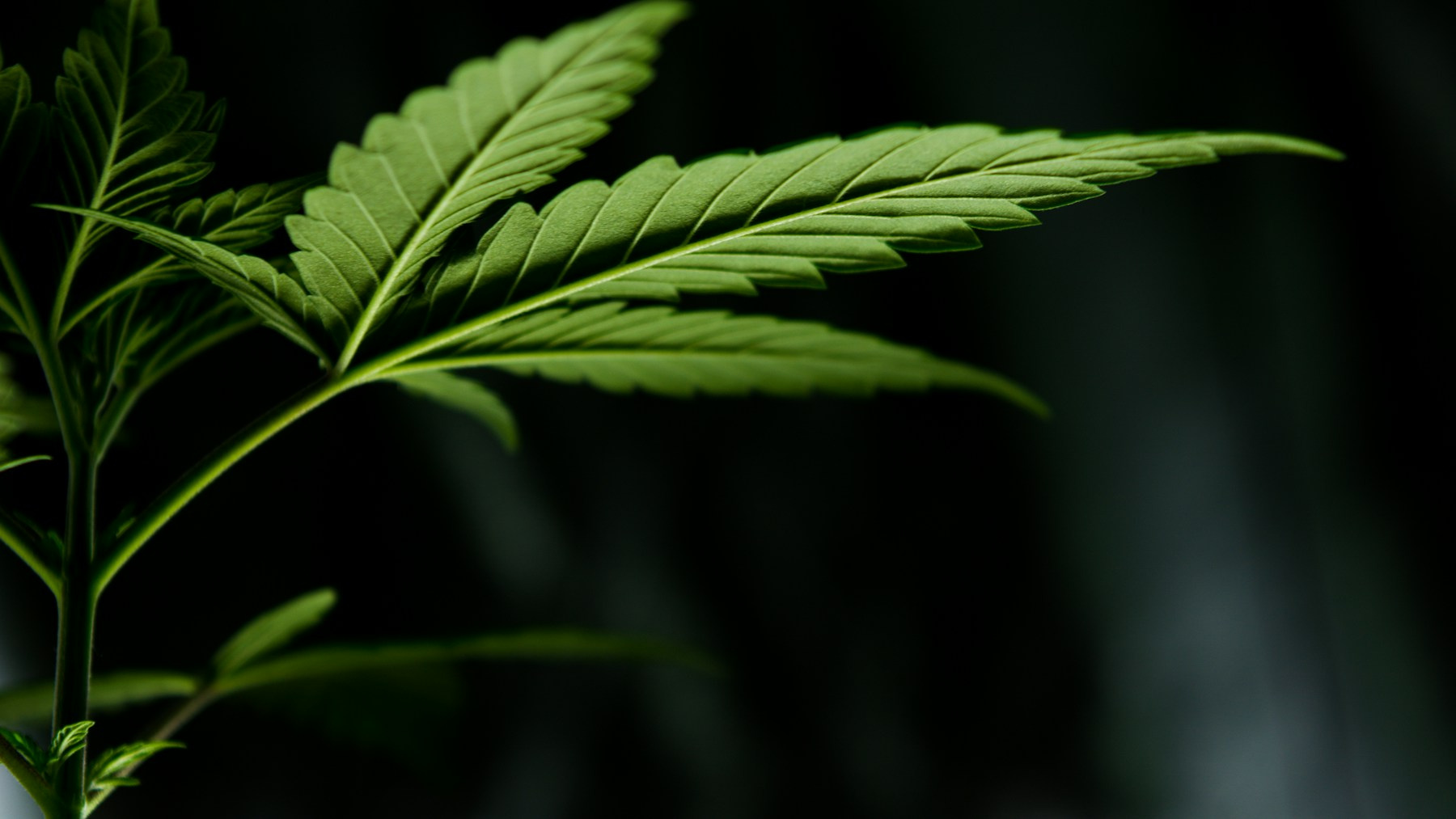
Cannabis Leaves Turning Yellow? How to Read the Signs and Fix It
Cannabis leaves turning yellow is the single most common panic message growers send. The instinct is to reach for a bottle of nutrients. Most of the time, that’s the wrong move. Yellowing is a symptom, not a diagnosis, and the location of the yellow on the plant tells you far more than the colour itself. Learn to read that, and you’ll fix problems in days instead of weeks.
Step one: where on the plant is it happening?
Nutrients come in two kinds. Mobile nutrients (like nitrogen, magnesium and potassium) can be moved from old leaves to new growth when supplies run short, so their shortages show up low on the plant first. Immobile nutrients (like iron, calcium and sulfur) stay put, so shortages show up in the newest growth at the top. This one rule eliminates half the guesswork.
- Bottom leaves yellowing first: think nitrogen, magnesium, overwatering, or simply natural ageing.
- Top or new leaves yellowing: think iron or sulfur, pH problems, or light and heat stress.
- Whole plant pale at once: think root problems, pH lockout or a general hunger.
The most common causes, ranked by how often I see them
1. Watering mistakes
Overwatering is the number one cause of yellowing in new growers. Roots in constantly soggy soil can’t breathe, so they can’t take up nutrients even when there’s plenty in the pot. Leaves droop, look dark then pale, and lower ones yellow. The fix is boring but effective: let the pot get noticeably lighter before you water again. Fabric pots make this much easier.
2. pH out of range
If pH drifts, nutrients that are physically present become chemically locked away. That’s why a “deficiency” often doesn’t respond to feeding. Check the pH of what goes in (and ideally runoff). In soil, aim for roughly 6.0-7.0; in coco or hydro, 5.6-6.2.
3. Nitrogen deficiency
Classic pattern: lower fan leaves turn uniformly pale, then yellow, starting from the tip and moving inwards, while the top of the plant looks fine. Common in veg when soil runs out of steam. A modest dose of a veg nutrient usually turns new growth green within a few days. Note: in the last weeks of flowering, gradual yellowing of fan leaves is normal and even desirable.
4. Magnesium deficiency
Yellowing between the veins on older and middle leaves, while the veins stay green, often with rusty spots. Common in coco and under strong LEDs. A cal-mag supplement usually helps, but check pH first.
5. Light or heat stress
Top leaves closest to the light turn pale yellow or bleach white, sometimes curling upward like a taco, while lower leaves look healthy. Raise or dim the light and check canopy temperature.
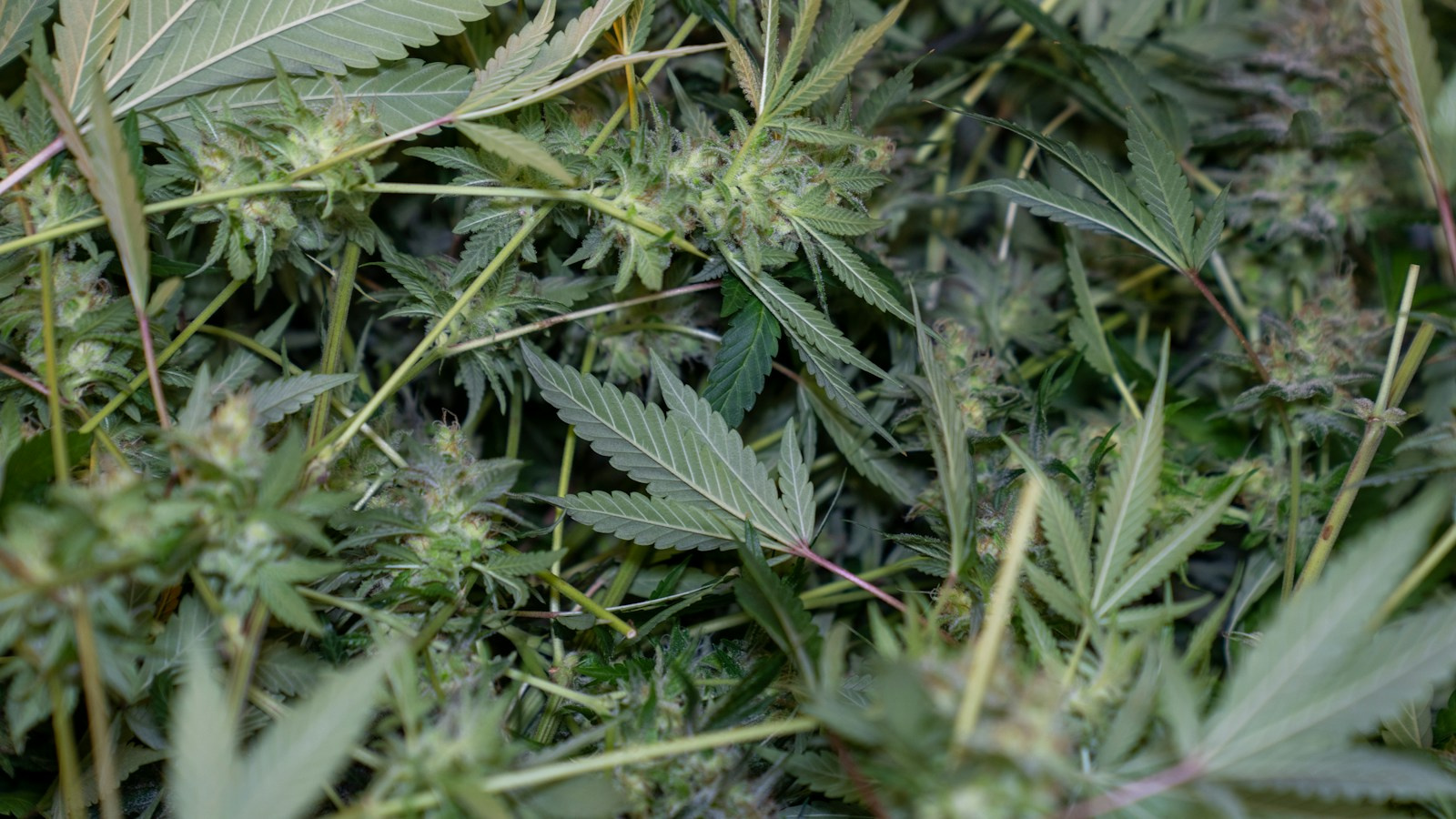
A 5-minute diagnostic routine
- Note exactly which leaves are affected: old or new, edges or between veins.
- Lift the pot. Is it heavy and wet? Hold off on water.
- Check the pH of your water or feed.
- Check temperature and light distance at the top of the canopy.
- Change one thing, then watch new growth for 3-5 days. Damaged leaves won’t turn green again; healthy new leaves are your proof.
When yellow leaves are completely normal
Seed leaves (cotyledons) yellow and drop after a couple of weeks. A few lower leaves that get no light will fade. And in late flower, many plants turn yellow, purple or orange as they pull stored nutrients into the buds. If buds look healthy and the yellowing is gradual, let it happen.
Prevention starts with a well-balanced environment, which our guide on how to grow cannabis indoors covers in detail. Strong LEDs are a common hidden cause of top-leaf yellowing, so check our guide to LED grow lights for cannabis for safe intensity levels. For a broader overview of common grower questions, Cottage Life has a helpful cannabis FAQ.