LED Grow Lights for Cannabis: The 4 Numbers That Actually Matter
Shopping for LED grow lights for cannabis means wading through a swamp of “equivalent wattage” claims, purple glamour shots and spec sheets that seem designed to confuse. You only need to understand four numbers to cut through all of it. Learn these, and you’ll never overpay for a light again.
Number 1: Actual power draw (watts at the wall)
Ignore “1,000W equivalent”. Look for the real draw, the number a plug-in power meter would show. For flowering cannabis, roughly 30-40 actual watts per square foot of canopy is a solid target with a modern, efficient fixture. A 2×4 ft tent (8 sq ft) is well served by something around 240-320 real watts. A 3×3 (9 sq ft) by roughly 270-360.
Number 2: Efficacy (µmol/J)
Efficacy tells you how much plant-usable light (photons) the fixture produces for each joule of electricity. It’s the honest measure of quality. Good modern bar and board lights land around 2.5-3.0 µmol/J. Cheap “blurple” panels often sit far lower, which means more heat and a bigger power bill for the same light.
Number 3: PPFD and how even it is
PPFD is the amount of usable light landing on your canopy each second, measured in µmol/m²/s. What matters isn’t the dazzling number in the centre, it’s the evenness across the whole footprint. A good PPFD map shows the corners only modestly lower than the middle.
- Seedlings: 200-400 µmol/m²/s
- Vegetative growth: 400-600 µmol/m²/s
- Flowering (no added CO₂): 700-1,000 µmol/m²/s
Number 4: DLI, the number that ties it together
Daily Light Integral is the total light a plant receives in a day. You can estimate it as PPFD × hours of light × 0.0036. For example, 800 µmol/m²/s for 12 hours gives a DLI of about 35 mol/m²/day, right in the sweet spot for flowering. This is why a weaker light running 18 hours in veg can still be plenty, while flowering plants on a 12-hour day need more intensity.
Spectrum: does colour matter?
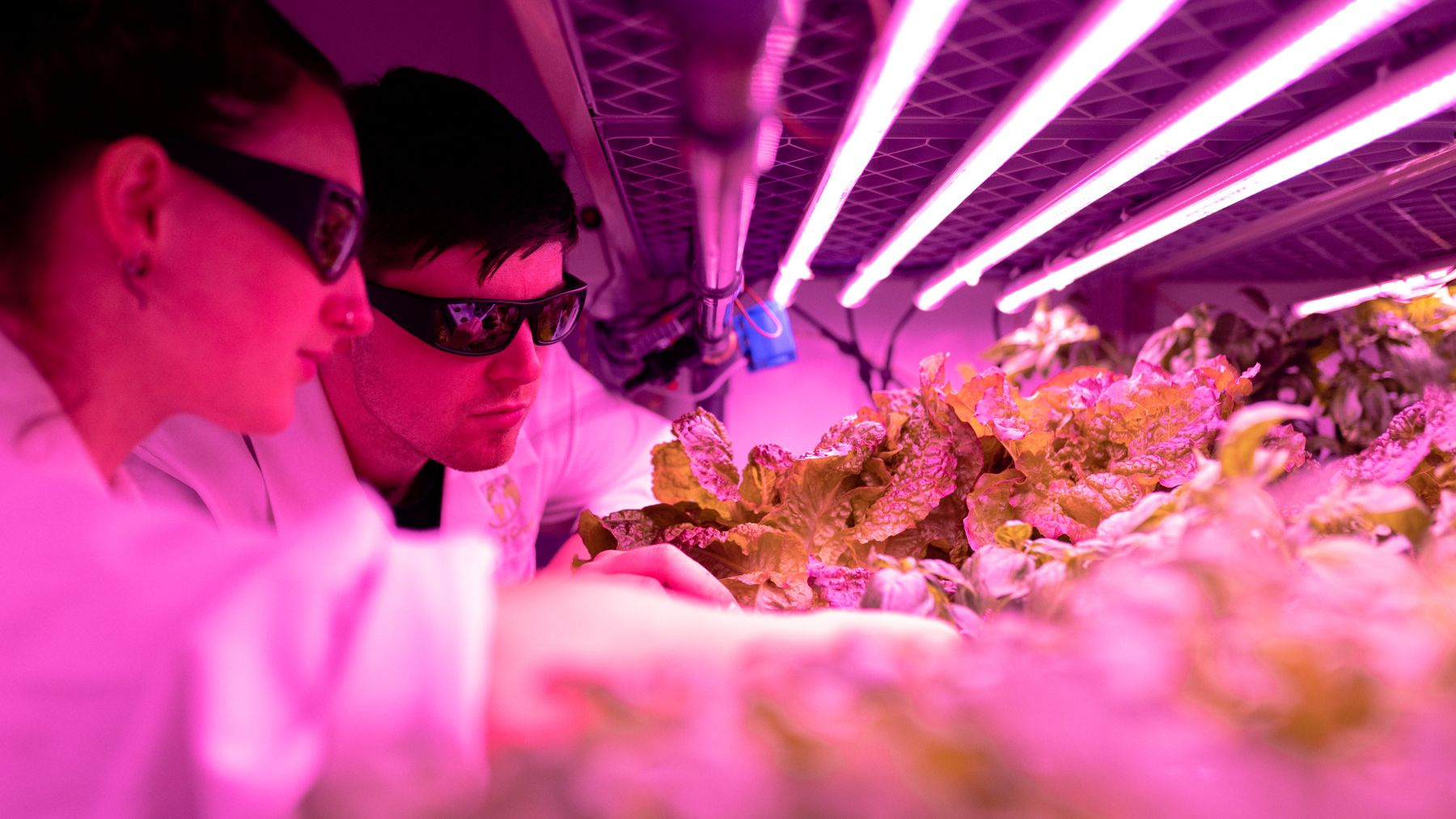
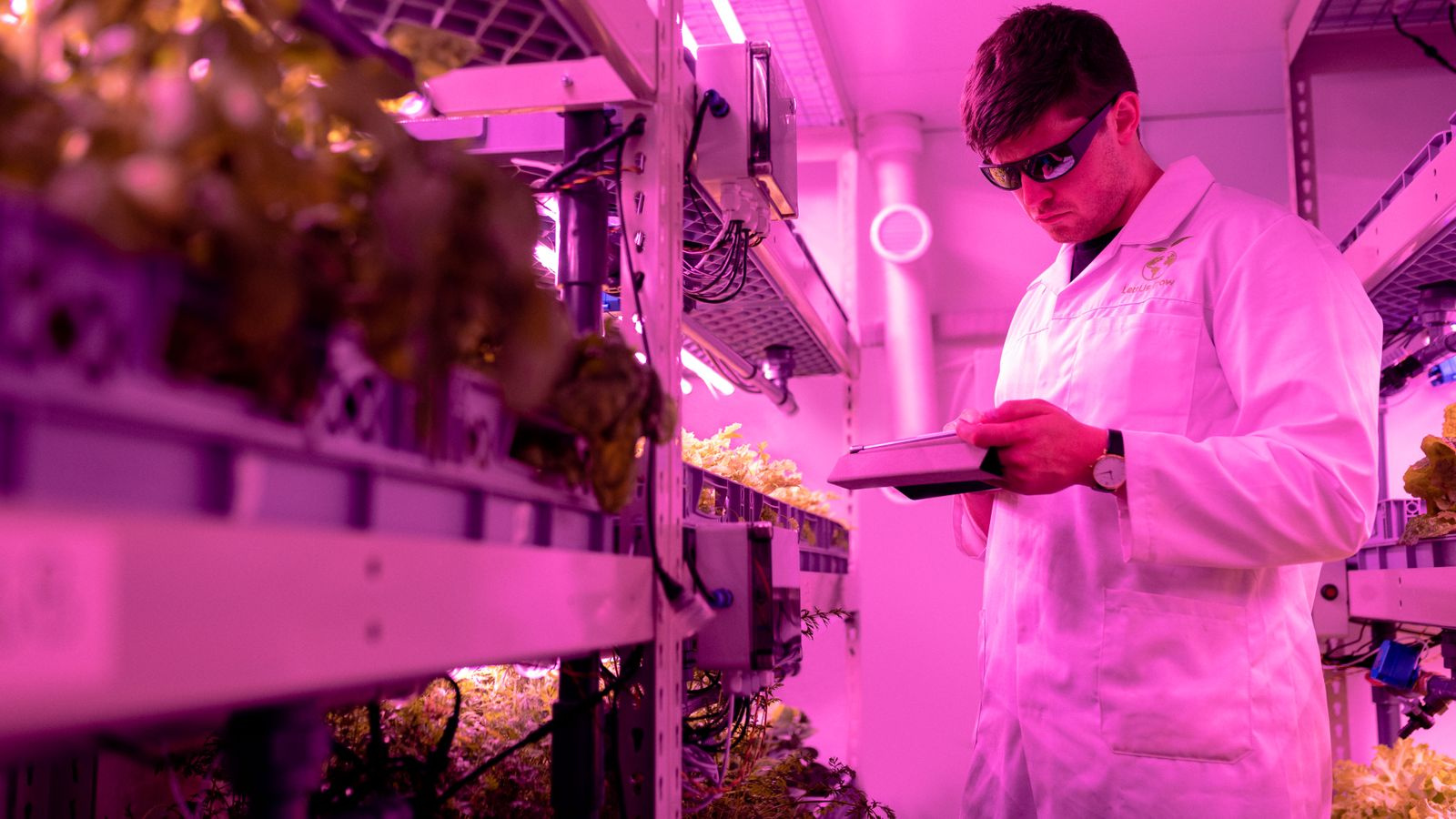
Today’s full-spectrum white LEDs, often with a little extra deep red, are the safe choice. They grow healthy plants from seedling to harvest and, just as importantly, let you see your plants’ true colours so you can spot deficiencies and pests. Purple “blurple” light makes everything look strange and hides problems. UV and far-red add-ons can be interesting for experienced growers but aren’t needed to grow excellent cannabis.
Bars vs boards vs panels
- Bar lights: spread light most evenly and run cool. Best choice for 3×3 and larger.
- Quantum boards: great value for small tents, slightly hotter centre.
- Cheap panels with lenses: often bright in the middle, dim at the edges. Avoid for flowering.
Hanging height and dimming
Follow the manufacturer’s PPFD chart, not a rule of thumb. As a starting point, many bar lights sit 18-24 inches above the canopy in flower. Use the dimmer: run seedlings at 25-40% and ramp up over a week or two as plants mature. Watch the top leaves. If they bleach, taco upward or look pale while lower leaves look fine, the light is too close or too strong.
Mistakes that cost growers the most
- Buying on “equivalent wattage” instead of real draw and efficacy.
- Blasting seedlings at 100% and stunting them in week one.
- Undersizing the light for a tent, then trying to make up for it with longer flowering hours (which won’t work for photoperiods).
- Forgetting that a powerful light needs an exhaust fan strong enough to remove the heat.
New to all this? Start with our walkthrough on how to grow cannabis indoors for a complete tent setup, and see our autoflower vs photoperiod guide for how light schedules change between plant types. Pick up pots, mediums and other kit in our grow supplies.